
Industrial Corrosion Protection for Oil and Gas Pipelines: Essential Solutions for Long-Term Pipeline Safety
Industrial corrosion protection for oil and gas pipelines involves a combination of protective coatings, surface preparation, chemical cleaning, inspection, maintenance and preservation techniques.
Oil and gas pipelines are essential components of the energy industry. They transport crude oil, natural gas, refined petroleum products and other industrial fluids across long distances. However, continuous exposure to moisture, chemicals, soil conditions, saltwater and harsh operating environments makes pipelines vulnerable to corrosion.
Pipeline corrosion is a major concern for oil and gas operators because it can lead to leaks, equipment damage, unplanned shutdowns, environmental hazards and expensive repairs. Implementing effective industrial corrosion protection measures is therefore essential for maintaining pipeline integrity, op
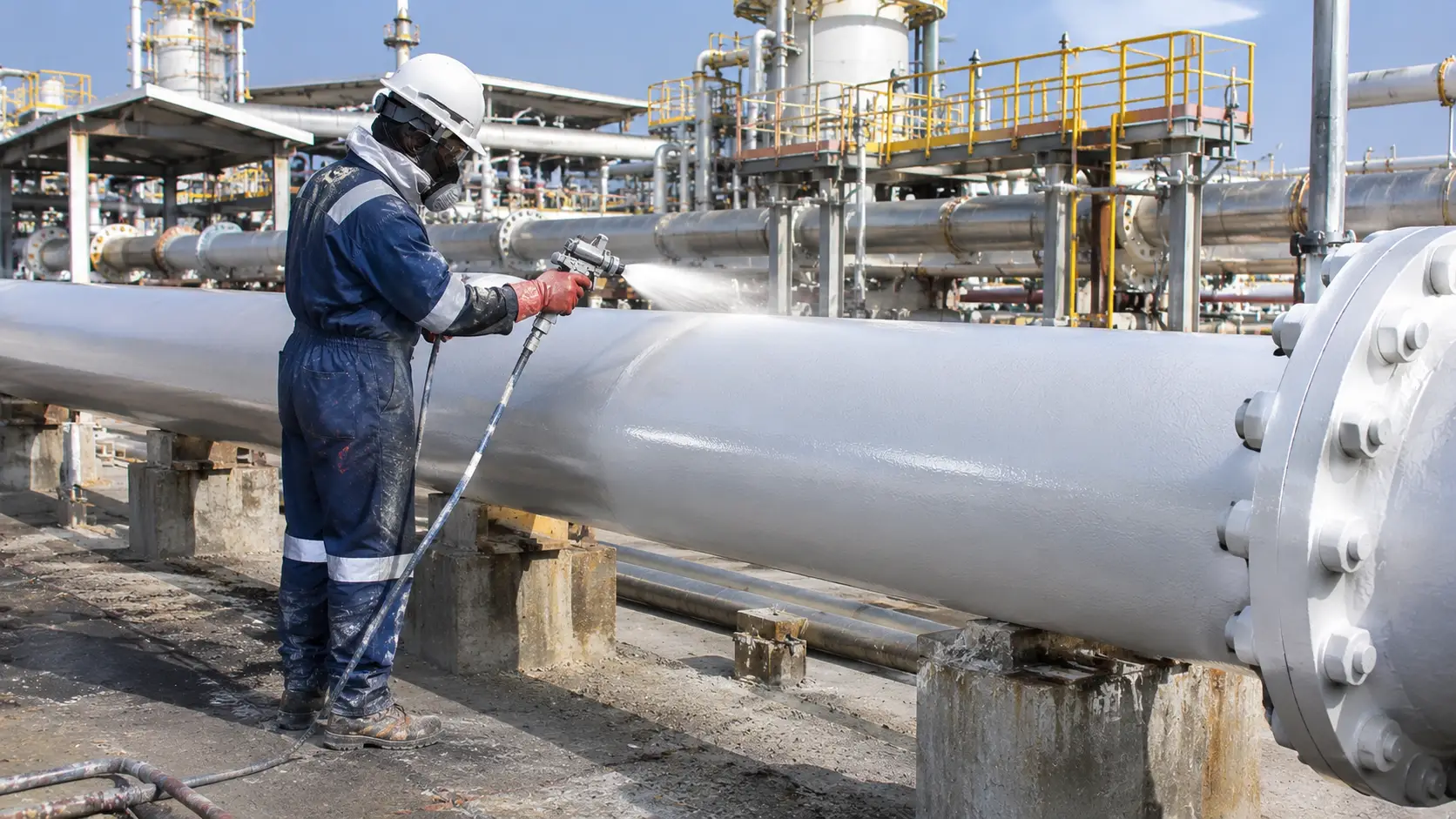
erational reliability and long-term asset performance.
Fortune Seven Metal Coating LLC provides specialized industrial surface treatment, anti-corrosion coating and chemical cleaning solutions for industrial customers across the UAE and Oman.
What Causes Corrosion in Oil and Gas Pipelines?
Pipelines operate in different environments, each presenting specific corrosion chal
lenges. Understanding the causes of corrosion is the first step towards selecting an appropriate protection strategy.
1. Moisture and Water Exposure
Water is one of the major contributors to corrosion. External pipeline surfaces can be exposed to rainwater, groundwater and humidity, while internal surfaces may encounter water produced during oil and gas transportation.
2. Saltwater and Marine Environments
Offshore pipelines and marine infrastructure are continuously exposed to seaw
ater and airborne salt particles. These conditions can accelerate corrosion, particularly when protective coatings are damaged.
3. Chemical Exposure
Certain industrial fluids and operating conditions contain corrosive substances such as carbon dioxide (CO2), hydrogen sulphide (H2S), chlorides and other chemical contaminants. These can contribute to internal corrosion depending on concentration, temperature and water content.
4. Coating Damage
Mechanical impact, abrasion, poor surface preparation, improper coating application and aging can damage protective coating systems. Once the underlying metal becomes exposed, corrosion may develop.
5. Soil and Underground Conditions
Buried pipelines can experience external corrosion due to soil moisture, resistivity, chemical composition and other environmental factors. Cathodic protection and suitable external coatings are commonly used together to manage this risk.
Why Is Corrosion Protection Important for Oil and Gas Pipelines?
Effective corrosion management helps protect pipeline infrastructure and supports safe industrial operations.
Key benefits include:
Improved Pipeline Integrity: Appropriate corrosion protection helps reduce metal deterioration and supports the structural integrity of pipeline systems.
Reduced Maintenance Costs: Preventive treatments and regular inspections can help reduce unexpected repairs, emergency maintenance and premature pipeline replacement.
Operational Reliability: Pipeline failures can interrupt production and transportation. Corrosion management helps reduce the likelihood of corrosion-related operational disruptions.
Environmental Protection: Pipeline leaks can cause environmental contamination. Maintaining pipeline integrity helps reduce the risk of accidental releases.
Extended Asset Life: Suitable protective coatings, maintenance and preservation procedures help extend the service life of valuable industrial infrastructure.
Common Industrial Corrosion Protection Methods for Pipelines
The selection of corrosion protection methods depends on pipeline material, operating conditions, location and project specifications.
1. Anti-Corrosion Protective Coatings
Protective coatings create a barrier between the pipeline surface and corrosive environmental elements.
Common coating technologies include:
- Epoxy coatings
- Polyurethane coatings
- Fusion-bonded epoxy (FBE)
- Zinc-rich protective coatings
- Specialized offshore coating systems
Different coating systems offer different levels of chemical resistance, abrasion resistance, adhesion and environmental durability.
2. Industrial Blasting and Surface Preparation
Surface preparation is one of the most important stages before applying protective coatings.
Industrial abrasive blasting removes rust, mill scale, old coatings and surface contaminants from steel pipelines. Proper surface preparation helps improve coating adhesion and supports the performance of the selected coating system.
The required cleanliness and surface profile should follow the coating manufacturer’s recommendations and project specifications.
3. Chemical Cleaning and Pipeline Flushing
Internal pipeline contamination can include rust, scale, oil residues, deposits and other unwanted materials.
Chemical cleaning and flushing are used to remove contaminants from pipeline systems, depending on the type of deposit and material compatibility.
These processes are particularly important during pipeline commissioning, maintenance and shutdown activities.
4. Cathodic Protection
Cathodic protection is an electrochemical corrosion control technique commonly used for buried and submerged pipelines.
It works by making the pipeline surface act as a cathode in an electrochemical system, reducing its tendency to corrode.
Two common methods are:
- Sacrificial anode cathodic protection.
- Impressed current cathodic protection.
Cathodic protection is generally designed and monitored alongside appropriate external coating systems.
5. Pipeline Preservation
Pipeline preservation helps protect internal and external surfaces during storage, transportation, shutdown and periods of inactivity.
Depending on project requirements, preservation methods may include suitable protective coatings, temporary corrosion inhibitors, controlled drying and other approved preservation procedures.
Importance of Internal Pipeline Corrosi
on Protection
While external coatings protect pipeline surfaces from environmental exposure, internal corrosion protection is equally important.
Internal corrosion can develop due to water accumulation, corrosive gases, chemical contamination and deposits inside pipelines.
Common internal corrosion management measures include:
- Chemical cleaning and descaling.
- Pipeline flushing.
- Corrosion inhibitor application.
- Removal of accumulated water and deposits.
- Internal inspection and monitoring.
- Pipeline drying and preservation.
The correct procedure should be determined by considering the pipeline material, operating fluid, temperature, pressure and applicable engineering requirements.
Corrosion Protection Challenges in the UAE and Oman
The Middle East presents several environmental challenges for oil and gas infrastructure.
In the UAE and Oman, industrial pipelines may experience high temperatures, humidity, coastal salt exposure, sand abrasion and demanding operating conditions.
Offshore installations face additional challenges from continuous seawater exposure and marine atmospheric conditions.
These environmental factors make appropriate corrosion protection and regular maintenance important for maintaining the performance of industrial pipeline networks.
Selecting suitable protective coatings, maintaining surface quality and implementing effective preservation procedures can help industrial operators manage corrosion-related risks.
Fortune Seven’s Industrial Corrosion Protection and Pipeline Services
Fortune Seven Metal Coating LLC delivers specialized industrial chemical cleaning and surface treatment solutions for the oil and gas, petrochemical, marine and infrastructure sectors.
With its operations in Sharjah, UAE, and Muscat, Oman, Fortune Seven supports industrial customers with technical expertise and specialized surface treatment capabilities.
Our related services include:
Anti-Corrosion Treatments and Coatings: Specialized protective coating solutions for industrial metal surfaces and infrastructure.
Industrial Blasting and Painting: Surface preparation and protective painting solutions for steel structures and industrial equipment.
Chemical Cleaning Services: Chemical cleaning solutions for industrial pipelines, boilers, heat exchangers and processing equipment.
Pre- and Post-Commissioning Services: Pipeline flushing, degreasing, cleaning and preservation support before and after commissioning activities.
Hydro Blasting Services: High-pressure water jetting solutions for removing deposits, contaminants and unwanted surface materials.
Inspection and Testing: Surface cleanliness and corrosion-related testing services according to applicable project requirements.
Our aim is to help industrial customers maintain clean surfaces, protect valuable assets and support reliable pipeline operations.
Best Practices for Long-Term Pipeline Corrosion Management
A well-planned corrosion management programme should include preventive measures and regular monitoring.
Important practices include:
- Conduct regular pipeline inspections and corrosion assessments.
- Select coating systems suitable for the operating environment.
- Ensure proper surface preparation before coating application.
- Monitor coating condition and repair damaged areas.
- Maintain cathodic protection systems where applicable.
- Perform suitable internal cleaning and flushing procedures.
- Implement preservation procedures during shutdowns and storage.
- Maintain inspection records and follow applicable engineering standards.
Combining these measures helps pipeline operators manage corrosion risks throughout the asset life cycle.
Why Choose Fortune Seven Metal Coating LLC?
Choosing an experienced industrial surface treatment provider is important for protecting critical oil and gas infrastructure.
Fortune Seven offers:
- Industrial chemical cleaning and surface treatment expertise.
- Specialized anti-corrosion treatment and coating capabilities.
- Experience supporting marine, petrochemical and energy sectors.
- Technical engineering support.
- Specialized Pelox chemical products from Germany.
- Industrial service support across the UAE and Oman.
We focus on providing reliable industrial solutions that address surface contamination, corrosion challenges and equipment maintenance requirements.
Conclusion
Industrial corrosion protection is essential for maintaining the safety, reliability and long-term performance of oil and gas pipelines. From protective coatings and abrasive blasting to chemical cleaning, pipeline flushing and preservation, each process plays an important role in managing corrosion risks.
For industrial operators in the UAE and Oman, choosing appropriate corrosion protection solutions can help reduce maintenance costs, improve asset integrity and support uninterrupted operations.
If you are looking for industrial corrosion protection, pipeline chemical cleaning or anti-corrosion coating services in UAE and Oman, Fortune Seven Metal Coating LLC is ready to support your project requirements.
Contact Fortune Seven today to discuss your industrial pipeline cleaning, surface treatment and corrosion protection needs.